

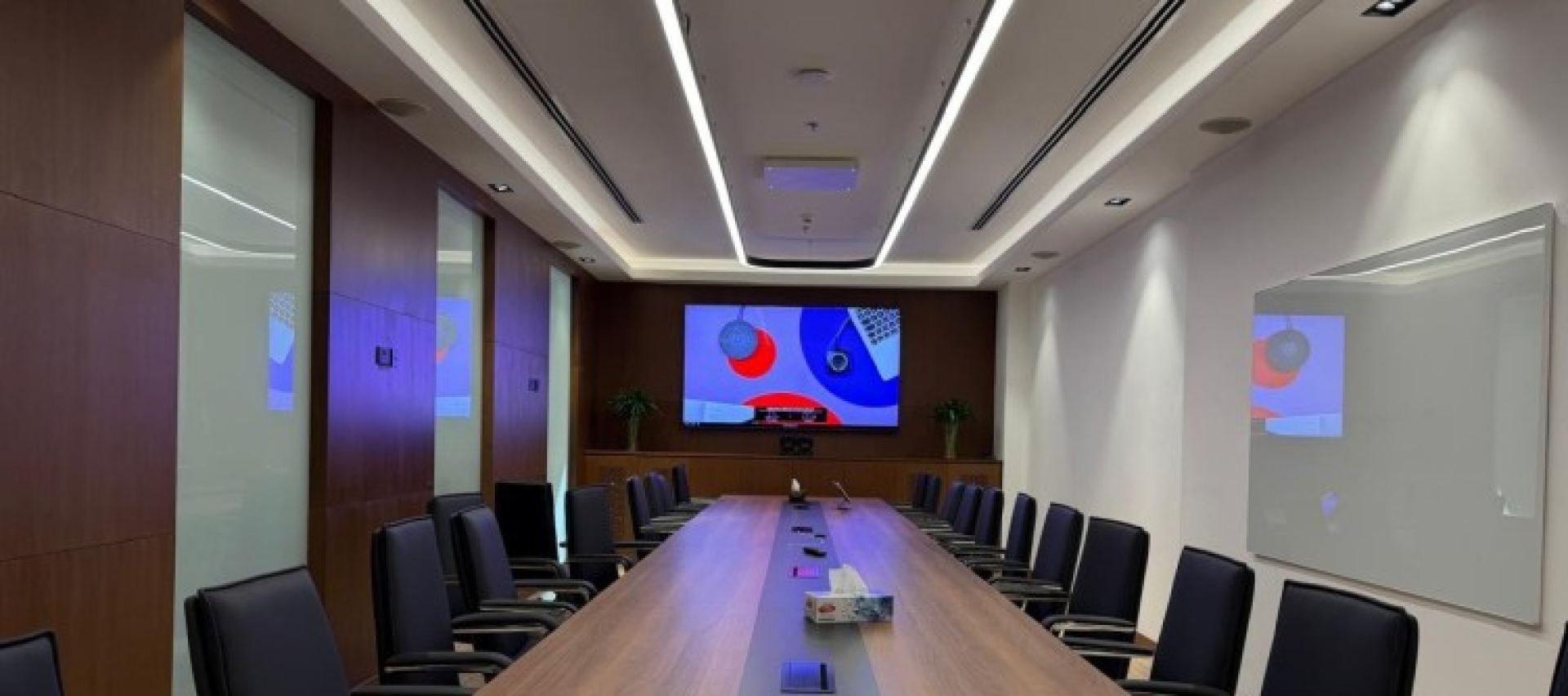
Meeting rooms have changed a lot by 2026. Hybrid work is everywhere now, so these spaces aren’t just places to sit anymore. They’re supposed to help people work together better, whether they are in the office or not. I think the main push comes from teams being spread out and companies wanting to save time and energy. Technology is moving fast too, with stuff like AI and touchless controls becoming normal.
One big thing business want is for hybrid meetings to feel fair for everyone. That means in-person folks and remote ones should both get heard equally. It seems like high-quality video and audio are key here, like 4K cameras and microphones that pick up voices clearly from anywhere in the room. Platforms such as Microsoft Teams, Zoom, and Google Meet need to work smoothly without much hassle. One-touch join sounds simple but it cuts down on frustration, I guess. Businesses also expect flexibility, so the room can handle different apps without extra setup.
Scheduling has gotten smarter too. With people coming and going unpredictably, rooms need systems that book automatically and show real-time availability. Integrating with calendars like Outlook or Google makes it easier. Occupancy sensors can tell if a rooms empty and release it, which helps avoid those ghost meetings where no one shows up. Analytics from these tools give insights on usage patterns, but Im not totally sure how every company uses that data yet. It probably helps plan office space better. We can Centrally configure and deploy & Control technology with Crestron display panel.
Sustainability matters a ton now. Companies want controls that turn lights and HVAC on only when people are there. That saves energy without making the space uncomfortable. Using eco-friendly materials in furniture and designs that can change easily seems practical. Biophilic elements, like plants or natural light, might make it nicer too, though that part feels a bit extra sometimes.
When you look at the architecture of these rooms, its layered. Cameras and mics capture everything at the edge, then it streams with low delay for real-time feel. APIs connect to things like ticketing or tracing contacts, which is important for security. Wireless options from brands like Barco ClickShare or Sennheiser let conferencing happen across platforms easily. Devices such as Neat Bar or Yealink work plug-and-play with Teams and Zoom.
Contactless stuff is everywhere, from QR codes for check-ins to sensors automating the environment. It all ties back to making collaboration inclusive and efficient.
Organizations investing in this could see better productivity, but it takes planning around people, the physical space, and the tech pipes. Some might overlook the human side, which could make it messy. Is every workspace ready for this by 2026? It varies, I suppose. Bridging the gap between ideas and real use sounds tricky but worth it.
Ready to transform your meeting spaces? Is your workspace ready for the 2026 standard? Let’s discuss how we can bridge the gap between your science and your industry.
for more inform replay to us or send email to big@bigllcoman.com